Portugal may appear like something out of a fairytale. Royal palaces rise from forested hills, medieval towns preserve centuries-old heritage, while traditional boats drift down canals and the sounds of fado fill the air. Yet all of this is entirely real and waiting to be experienced.
From wine tastings to seaside strolls, everything you do here will immerse you in the country’s history and culture. Here at Overland Portugal, we ensure that our guests experience the essence of this European gem on our Small-Group Tours of Portugal. We’ve created this guide to the best things to do in Portugal, all of which we include on our tours. Keep reading for our insights, and don’t hesitate to contact us if you have any questions about our tours.
Explore the Pena Palace in Sintra
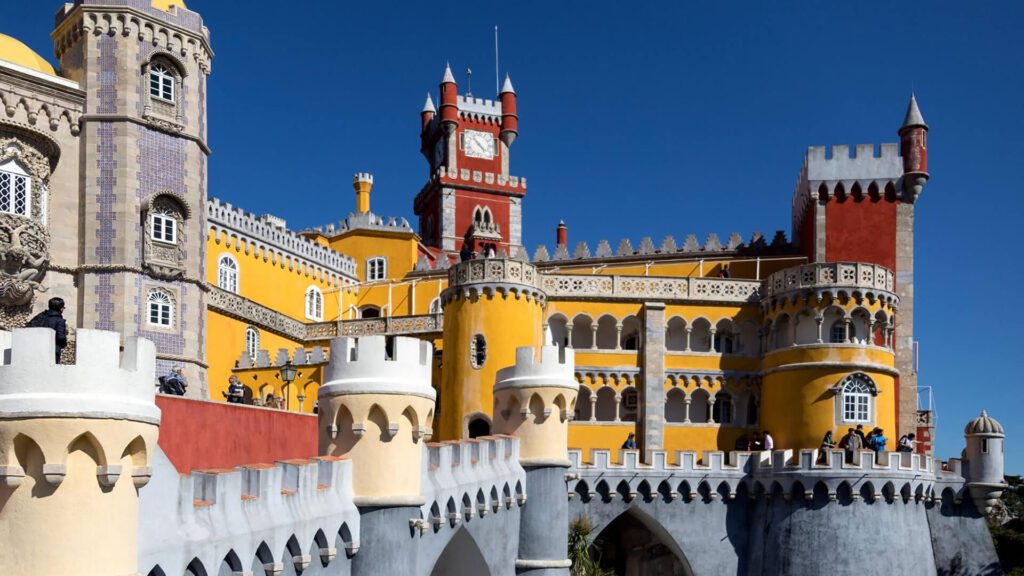
A visit to Pena Palace is one of Portugal’s most iconic experiences, and with good reason. Built in the 19th century by Ferdinand II, the King-Artist, the palace sits dramatically atop a hill in the Sintra mountains, surrounded by dense woodland and exotic gardens.
Pena Palace is a striking example of Romanticism in architecture, combining Moorish, Gothic, Egyptian, and Renaissance influences into a bold and colourful design. Inside, rooms are preserved with original furnishings, tiles, and decorative details that reflect the lifestyle of the royal family. Outside, terraces offer sweeping views across the Sintra-Cascais Natural Park and out toward the Atlantic Ocean.
With even more palaces and castles to explore nearby, Sintra is without question one of the Best Places to Visit in Portugal!
Experience Coastal Life with a Seaside Stroll in Cascais
Near Sintra, Cascais is a town that perfectly encapsulates Portugal’s relationship with the ocean. Once a small fishing village, Cascais became a fashionable seaside retreat for Portuguese nobility in the late 19th century, a legacy still visible in its elegant villas.
A stroll along the seafront reveals sandy beaches, rugged coastal cliffs, and a lively marina filled with boats. Cafés spill onto pavements, locals gather for afternoon coffee, and the scent of fresh seafood fills the air. This is the perfect experience for those looking for a more relaxed and immersive experience of daily Portuguese life.
Taste Ginjinha in Óbidos
Encircled by medieval walls, Óbidos is one of Portugal’s best-preserved historic towns, with an even better preserved culinary tradition. Drinking ginjinha is a quintessential experience in Óbidos. It’s said that this cherry liqueur was accidentally discovered by a friar who left sour cherries in a spirit. Infused with alcohol, sugar, and cinnamon, ginjinha soon became the drink of Lisbon. Today, you can enjoy it in a shot glass or a small chocolate cup for the ultimate indulgence.
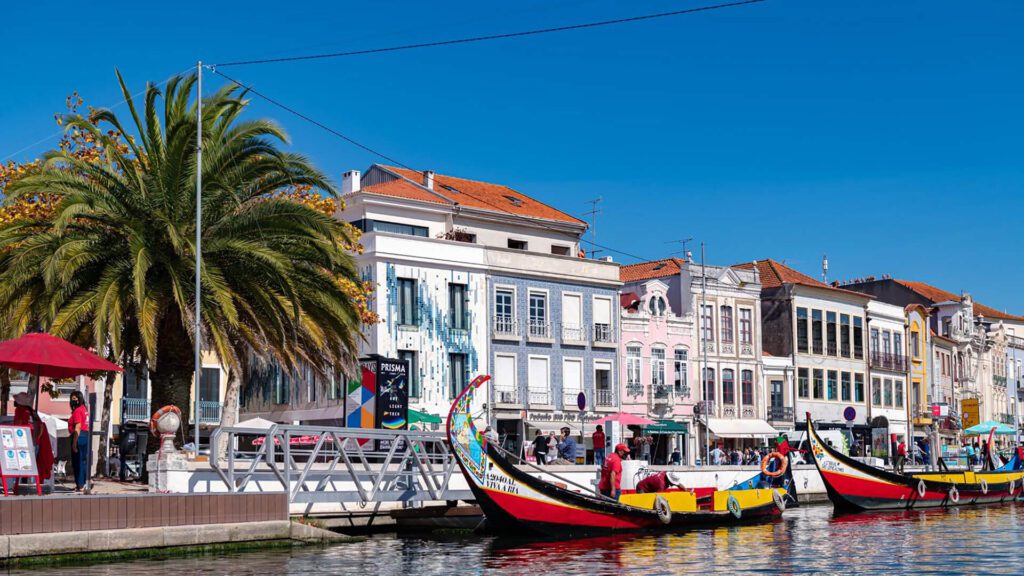
Cruise Aveiro’s Canals on a Moliceiro Boat and Savour Ovos Moles
Known as the “Venice of Portugal,” Aveiro is defined by its canals and traditional moliceiro boats. These boats were originally used to harvest seaweed from the lagoon, and today are the perfect way to experience the beauty of this city.
The hand-painted boats feature decorative panels often depicting local scenes, traditions, and humorous imagery. Cruising down the canal offers insight into the city’s maritime heritage while providing a relaxed way to explore its Art Nouveau buildings, bridges, and waterside neighbourhoods.
Aveiro is also famous for ovos moles, a regional sweet made from egg yolks and sugar, wrapped in delicate wafer shells shaped like shells or fish. The dessert was first created by nuns, and is a protected product today.
Discover Porto and Enjoy a Port Wine Tasting
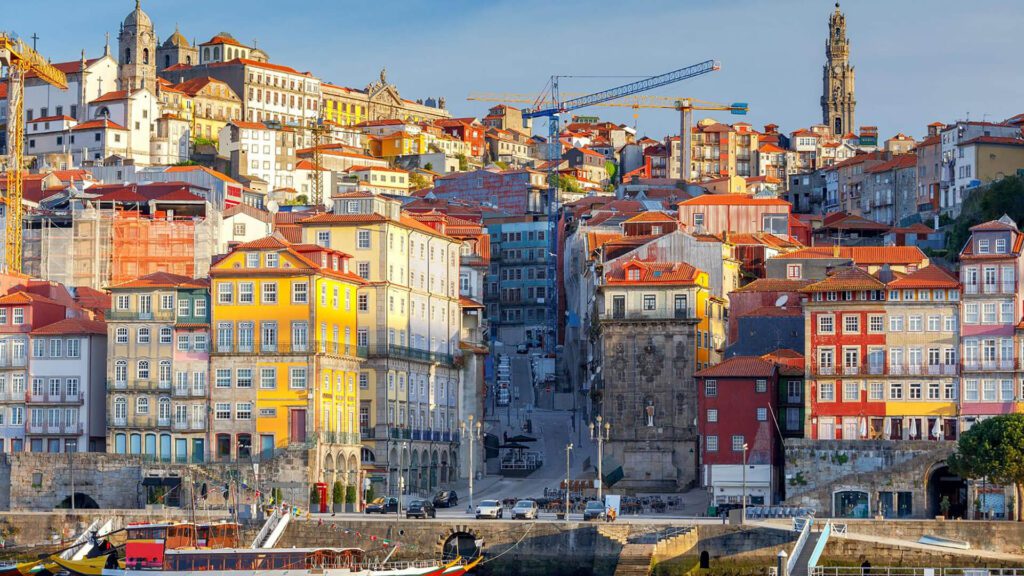
The riverside city of Porto is inseparable from the wine that bears its name. Port wine production dates back to the 17th century, when British merchants began fortifying wine with grape spirit to preserve it during long sea voyages. The wine was transported down the Douro River to cellars in Vila Nova de Gaia, where it was aged before export.
Visiting Porto’s historic wine cellars offers insight into grape varieties, fermentation, aging methods, and blending styles. Of course, the best part is sipping on the rich sweetness of port wine, tasting the centuries gone by!

Cruise the Douro Valley and Visit a Local Vineyard
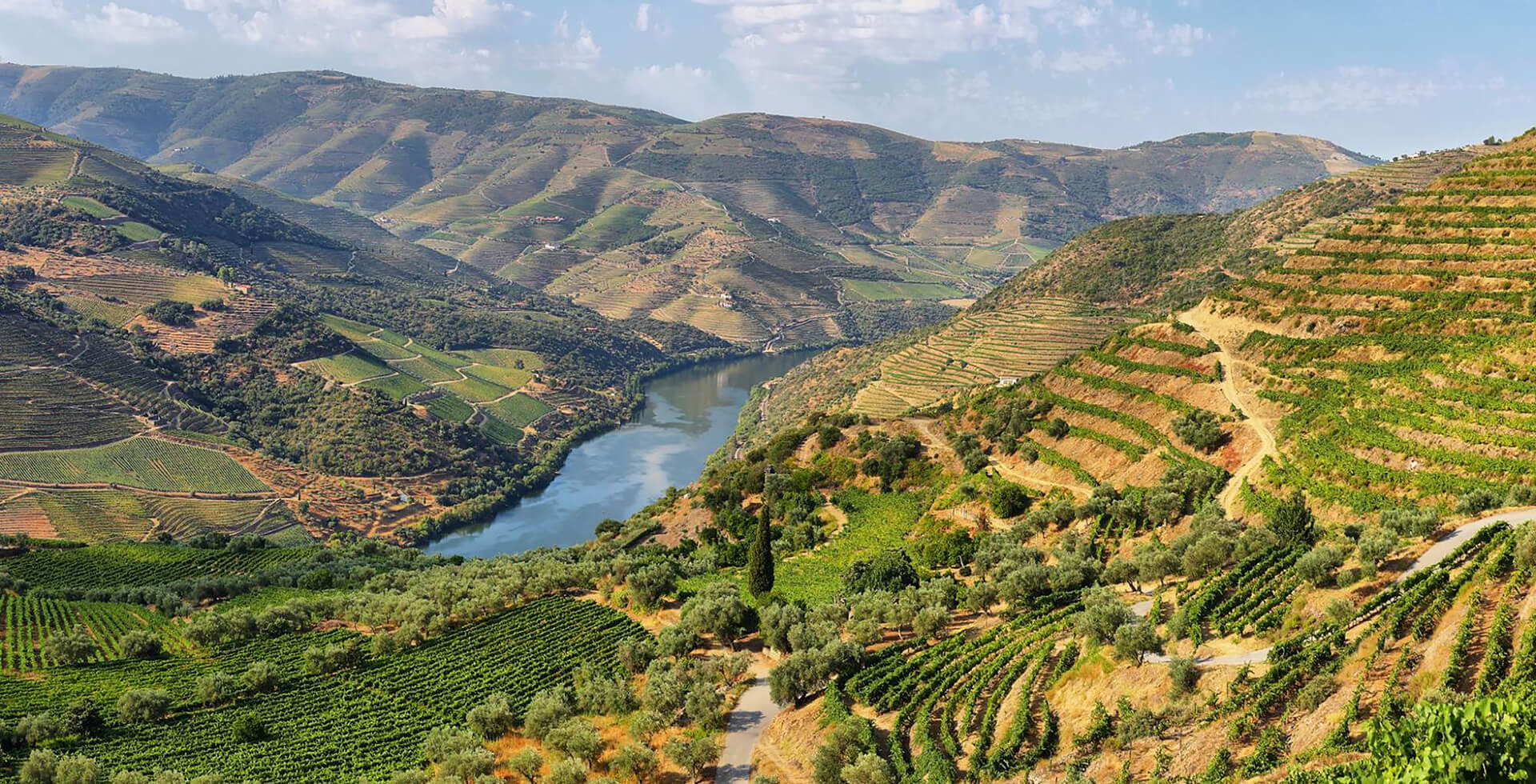
The Douro Valley is not only a defining landscape of Portugal, it’s one of the world’s oldest demarcated wine regions in the world! Wine has been produced here for nearly 2,000 years, with the valley recognised as a UNESCO World Heritage Site.
A Douro River cruise allows you to appreciate the scale and beauty of this landscape from the water before visiting a local vineyard. Wine tastings here are not just about flavour, but about immersing yourself in a centuries-old connection to the land.
Experience the Power of Fado in Coimbra
Coimbra’s fado tradition is distinct from that of Lisbon, shaped by the city’s historic university, one of the oldest in Europe. Coimbra fado is traditionally performed by male singers wearing black academic capes. The songs are introspective, expressing themes of longing, love, and the passage of time. Attending a live fado performance in Coimbra is an intimate experience, offering a window into Portuguese identity and taking you on a deeply emotional journey.
Discover Olive Oil Traditions in Évora and the Alentejo
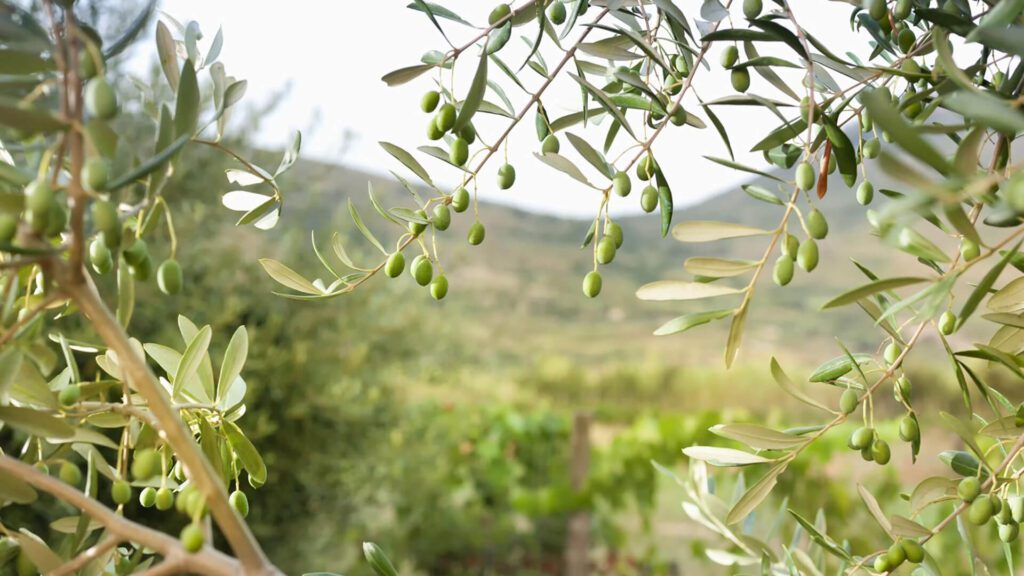
While wine tasting is often a highlight of things to do in Portugal, the country’s olive oil is not to be missed. In the Antejo region, olive oil production dates back to Roman times, and the landscape is dotted with ancient olive trees.
An olive oil experience in Évora introduces you to traditional and modern pressing methods, the role of terroir, and the importance of olive oil in Portuguese cooking. Tastings highlight the differences between varieties, from peppery and robust to smooth and buttery, often paired with delicious local bread and regional delicacies that will delight your taste buds.
Experience the Best of Portugal with Overland
These experiences showcase Portugal at its most authentic — and you can experience it all on our 7-Day Portugal Tour! Join us on our expertly designed small-group trip as we discover the very best this country has to offer. You can learn more about travelling with us with our blog about Why Portugal is Perfect for Small Group Travel. If you have any questions or want to book your journey, don’t hesitate to contact us.